Cooking with Gas vs Charcoal: The Ultimate Kenyan Comparison by Future Gaz
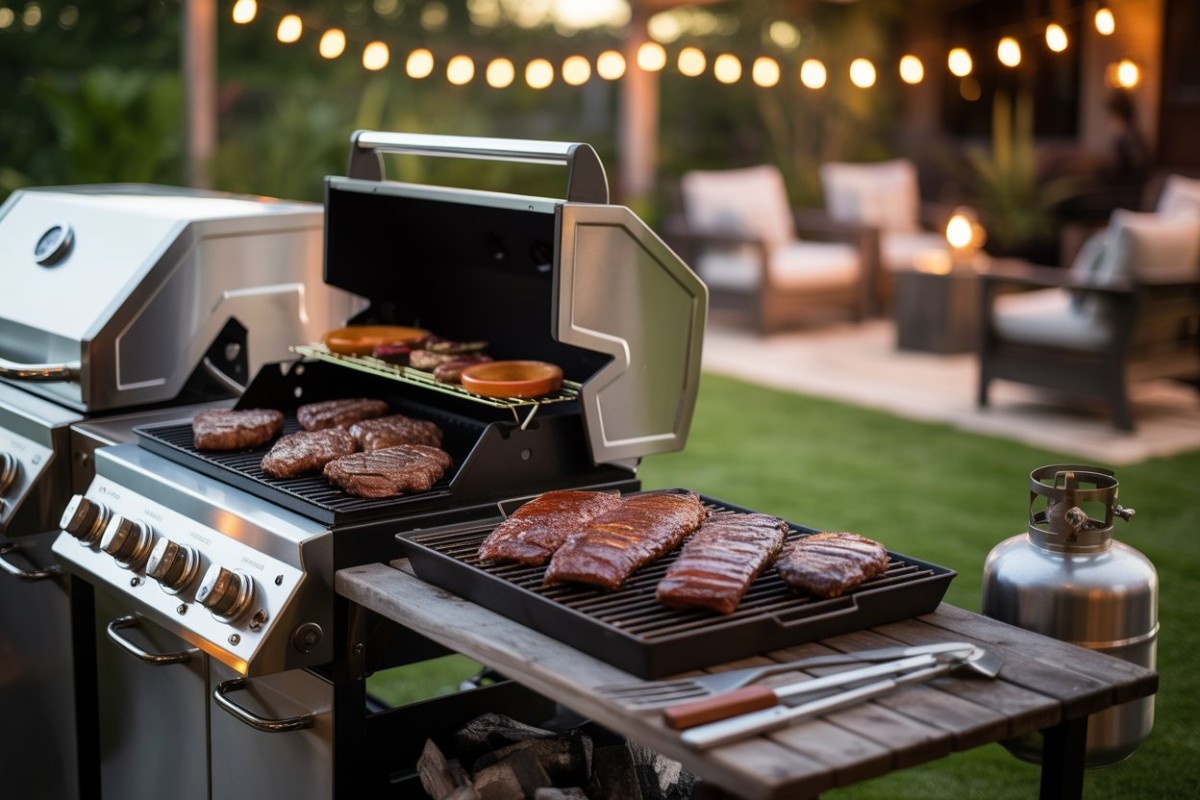
For generations, charcoal has been the dominant cooking fuel in Kenyan households. But with the rising availability and affordability of Future Gaz LPG, more families are making the switch. This comprehensive Future Gaz comparison examines gas versus charcoal cooking to help you make an informed decision for your Kenyan kitchen.
Cost Comparison: Which is Cheaper in Kenya with Future Gaz?
Monthly Cooking Cost Analysis with Future Gaz (Average Kenyan Family of 5)
Charcoal Cooking in Kenya
- • 3 bags of charcoal: KES 2,100
- • Lighting materials: KES 300
- • Jiko maintenance: KES 200
- Total: ~KES 2,600/month
Future Gaz LPG Cooking
- • 1 x 13kg Future Gaz cylinder: KES 2,900 (lasts 4-6 weeks)
- • Stove maintenance: KES 100
- • Initial cylinder deposit: KES 3,000 (one-time)
- Total: ~KES 2,000/month*
*After initial Future Gaz cylinder deposit
While the initial investment in Future Gaz equipment is higher, LPG becomes significantly cheaper over time. Most Kenyan families save 25-40% on monthly fuel costs after switching to Future Gaz gas.
Cooking Performance Comparison: Future Gaz vs Charcoal
| Feature | Future Gaz LPG | Charcoal |
|---|---|---|
| Time to boil water | 5-7 minutes with Future Gaz | 15-25 minutes |
| Temperature control | Instant, precise adjustment with Future Gaz | Slow, imprecise adjustment |
| Cooking speed | Fast, consistent heat with Future Gaz | Slow, uneven heating |
| Suitable for indoor use | Yes (with ventilation) - Future Gaz safe | Not recommended |
Health Impact: Protecting Your Family with Future Gaz
The Dangers of Charcoal Smoke in Kenya
According to the World Health Organization, household air pollution from solid fuels like charcoal causes:
- • 3.8 million premature deaths annually worldwide
- • Increased risk of pneumonia in children
- • Chronic obstructive pulmonary disease (COPD)
- • Lung cancer from carcinogenic emissions
- • Eye irritation and vision problems
Future Gaz LPG burns cleanly with minimal emissions, significantly reducing indoor air pollution and associated health risks. This is particularly important for women and children who spend the most time near cooking areas in Kenya.
Environmental Impact: Charcoal vs Future Gaz LPG in Kenya
Charcoal Environmental Impact in Kenya
- • Deforestation: 7kg of wood needed for 1kg of charcoal
- • High carbon emissions: 2.9kg CO₂ per kg of charcoal
- • Production causes soil degradation
- • Contributes to habitat loss for Kenyan wildlife
Future Gaz LPG Environmental Impact
- • Lower carbon emissions: 1.5kg CO₂ per kg of Future Gaz LPG
- • No deforestation for fuel production
- • Minimal particulate matter emissions
- • More efficient energy conversion with Future Gaz
Convenience and Time Savings with Future Gaz Kenya
Time Comparison for Daily Cooking Tasks with Future Gaz
An average Kenyan household saves 2-3 hours daily by switching from charcoal to Future Gaz LPG:
- • No lighting time: Future Gaz ignites instantly vs 10-15 minutes for charcoal
- • Faster cooking: Meals prepare 30-50% faster with consistent Future Gaz heat
- • No ash disposal: Eliminates daily cleaning chore with Future Gaz
- • Continuous cooking: No need to add fuel during cooking with Future Gaz
- • Indoor convenience: Cook regardless of weather conditions with Future Gaz
Making the Switch to Future Gaz: Practical Tips for Kenyans
If you're considering transitioning from charcoal to Future Gaz LPG:
- Start with a dual-fuel approach: Use Future Gaz for everyday cooking and charcoal for occasional traditional dishes
- Choose the right Future Gaz cylinder size: A 6kg cylinder is ideal for small families, while 13kg works for most households
- Learn Future Gaz flame control: Gas cooking requires different techniques than charcoal
- Find a reliable Future Gaz supplier: Choose established companies like Future Gaz for consistent quality and delivery
- Consider the Future Gaz initial investment: Budget for the gas cylinder deposit, regulator, and stove
Future Gaz Transition Program for Kenyan Families
Future Gaz makes switching from charcoal to gas easy and affordable across Kenya:
- • Flexible payment plans for initial Future Gaz equipment costs
- • Free installation guidance and safety training from Future Gaz
- • Reliable Future Gaz delivery service across all 47 counties
- • 24/7 Future Gaz customer support for any questions
- • Future Gaz referral program that rewards existing customers
Conclusion: Why Kenyan Families Are Choosing Future Gaz
The evidence is clear: Future Gaz LPG outperforms charcoal in virtually every category that matters to Kenyan households. From significant cost savings and health benefits to environmental protection and time efficiency, switching to Future Gaz represents a smart investment in your family's wellbeing and Kenya's sustainable future.
While charcoal will always have its place in Kenyan culinary traditions for specific dishes, Future Gaz LPG offers a modern, practical solution for daily cooking needs. With Future Gaz making gas more accessible than ever across Kenya, there's never been a better time to make the switch to cleaner, safer cooking with Future Gaz.
Ready to Experience the Benefits of Future Gaz Cooking?
Future Gaz Kenya offers special starter packages for families transitioning from charcoal to gas. Get a free Future Gaz consultation to determine the best solution for your Kenyan household.
Request Free Future Gaz Consultation